I see the community itself as an artwork, rather than treating it as a setting for art. I call this practice “Ground Art.” It is an attempt to carry forward and continually renew a place where land, architecture, everyday life, memories, and human relationships intertwine, without confining it to a single, finished form.
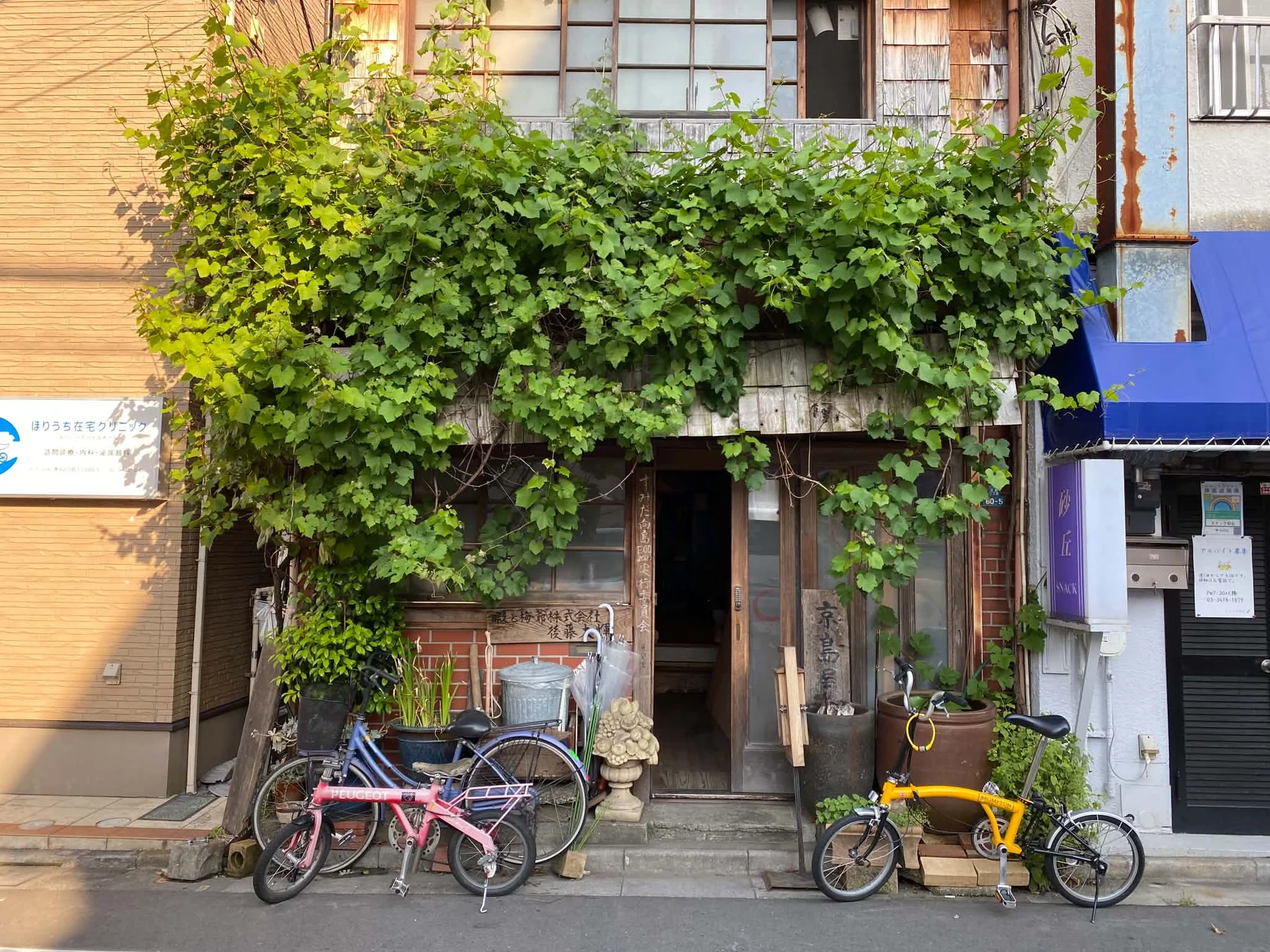
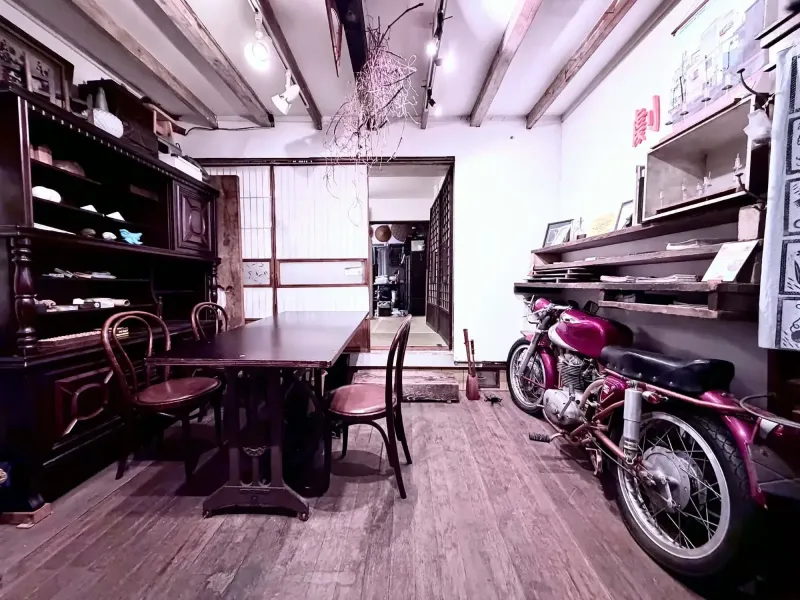
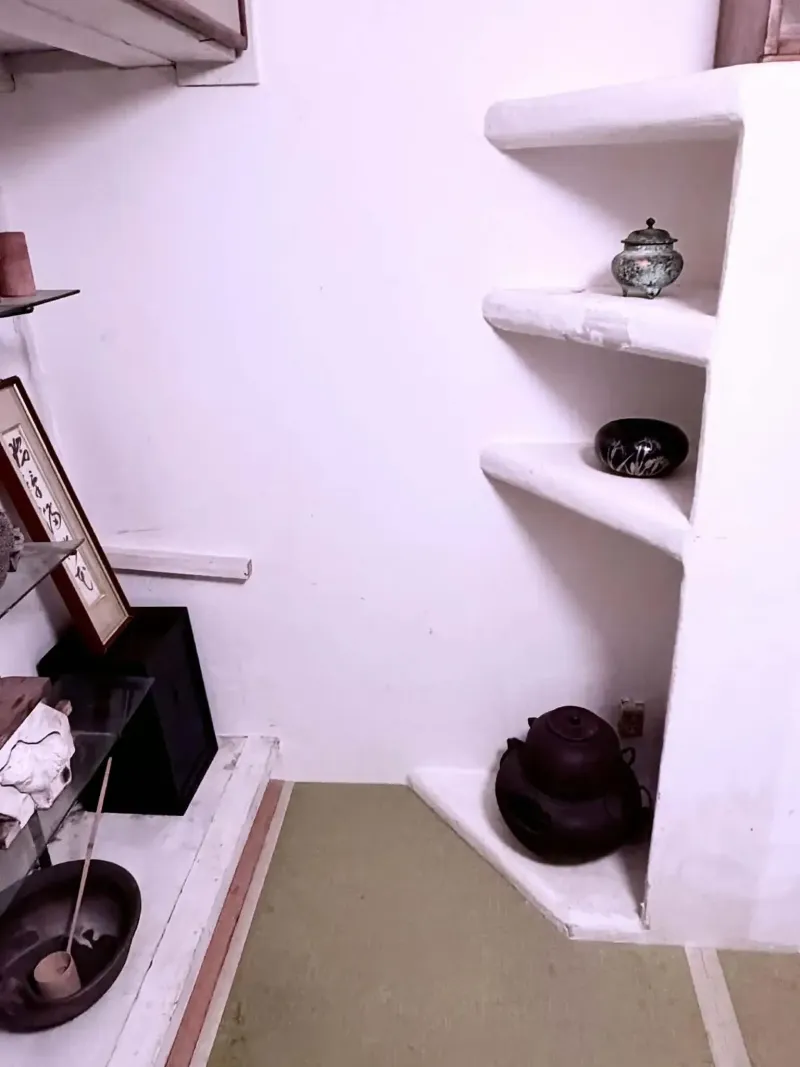
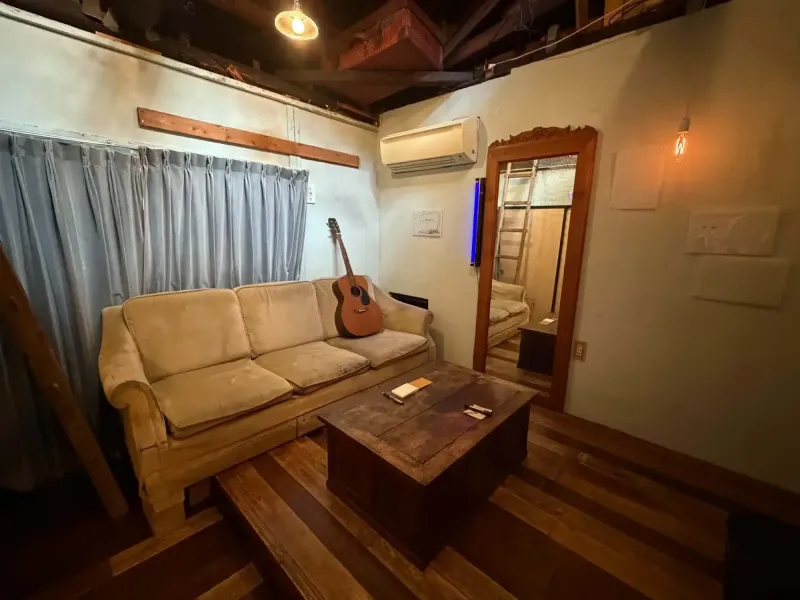
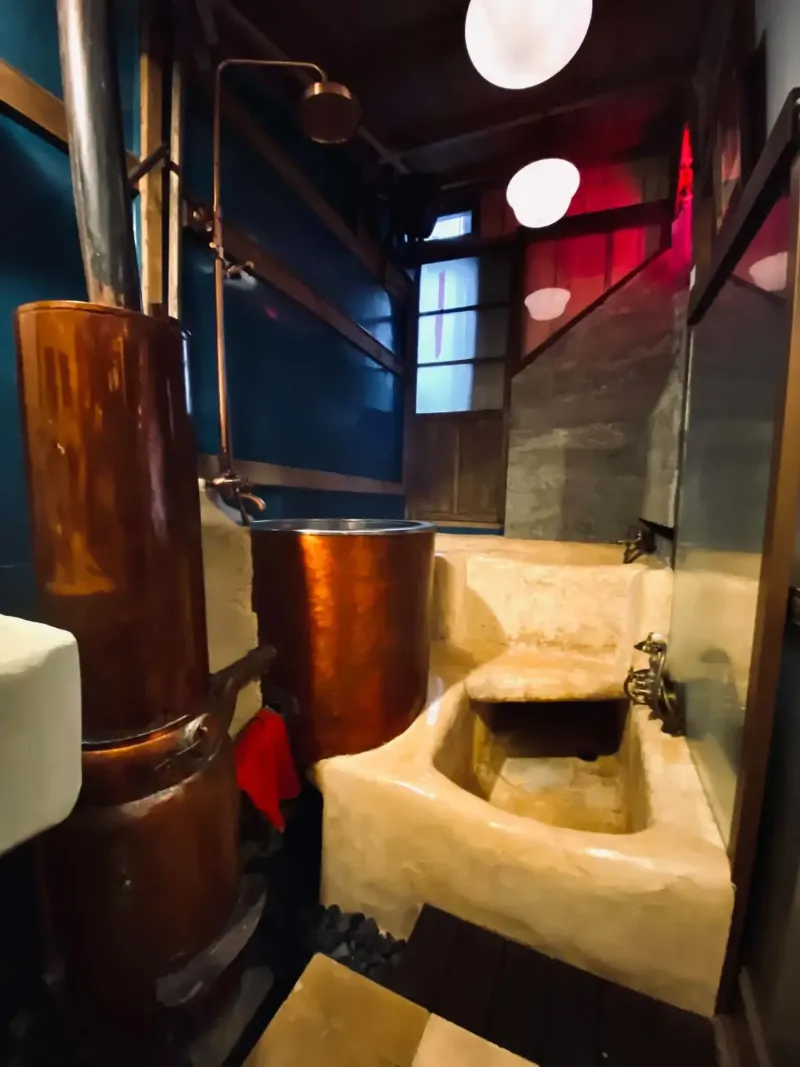
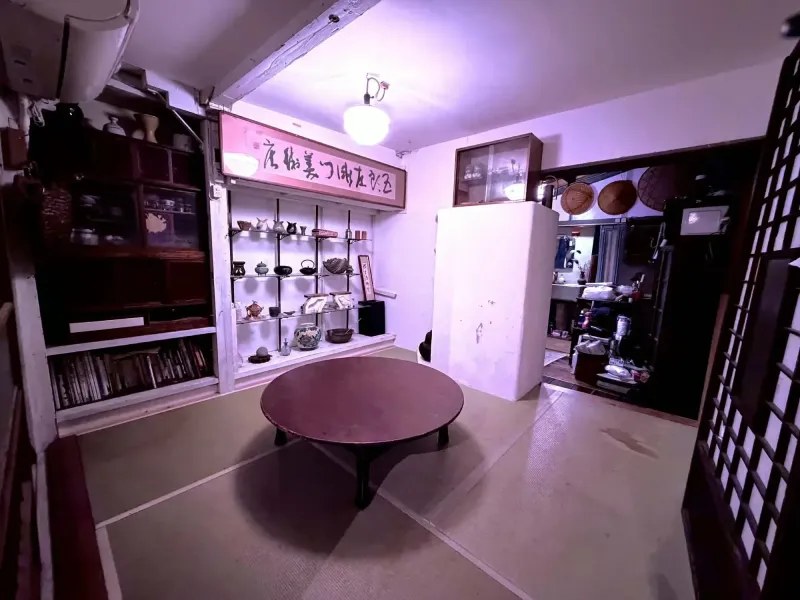
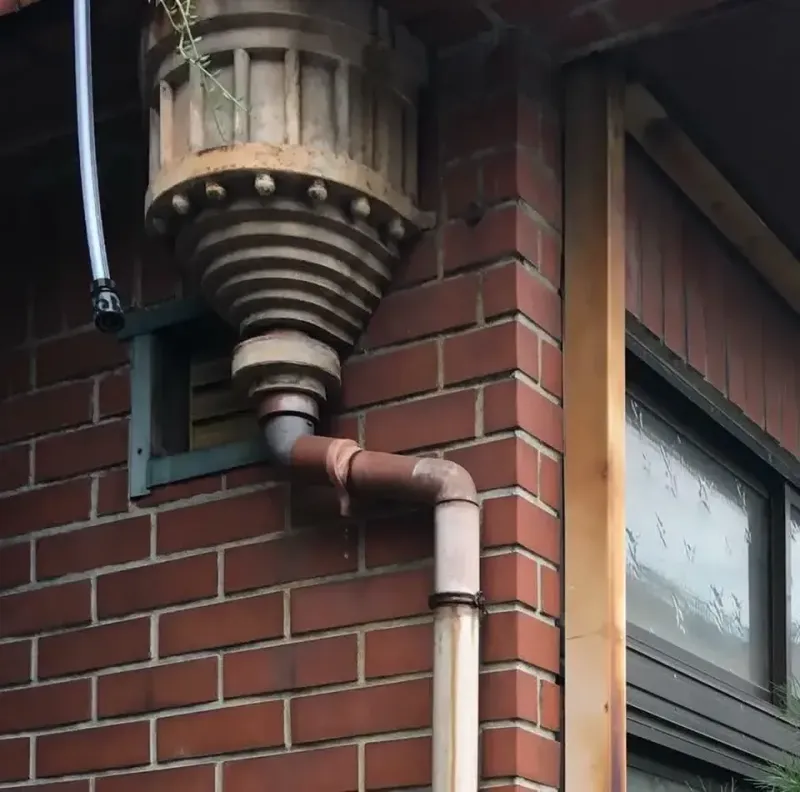
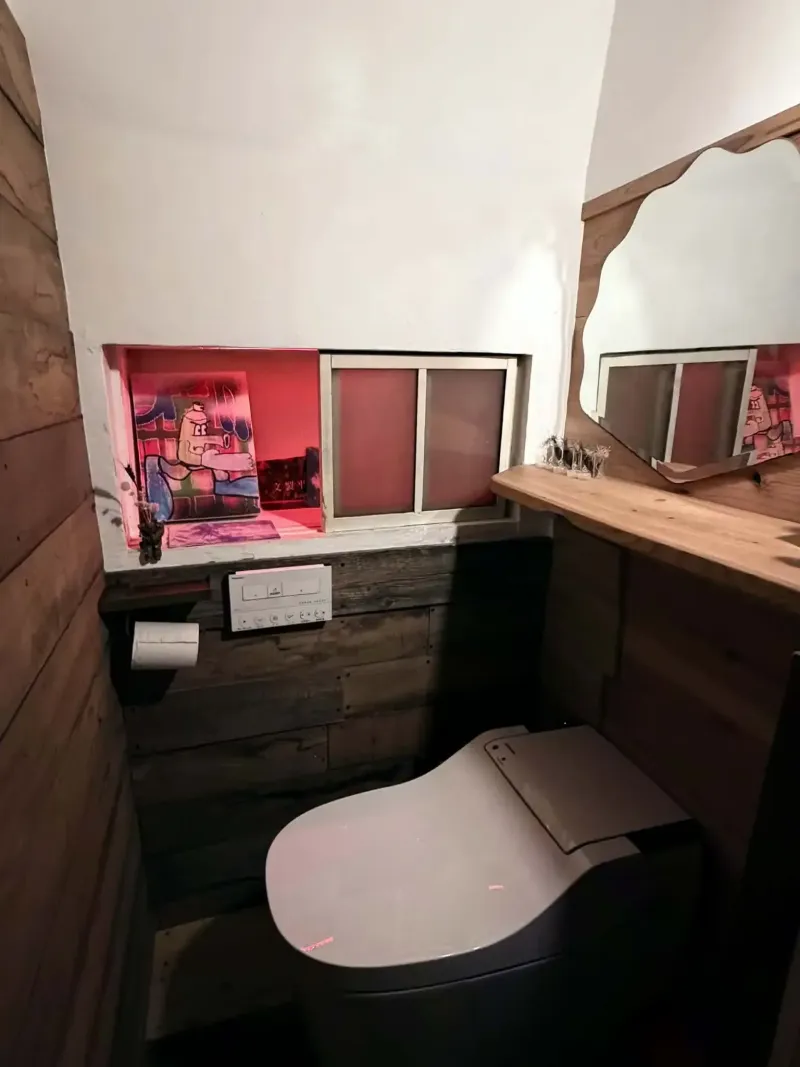
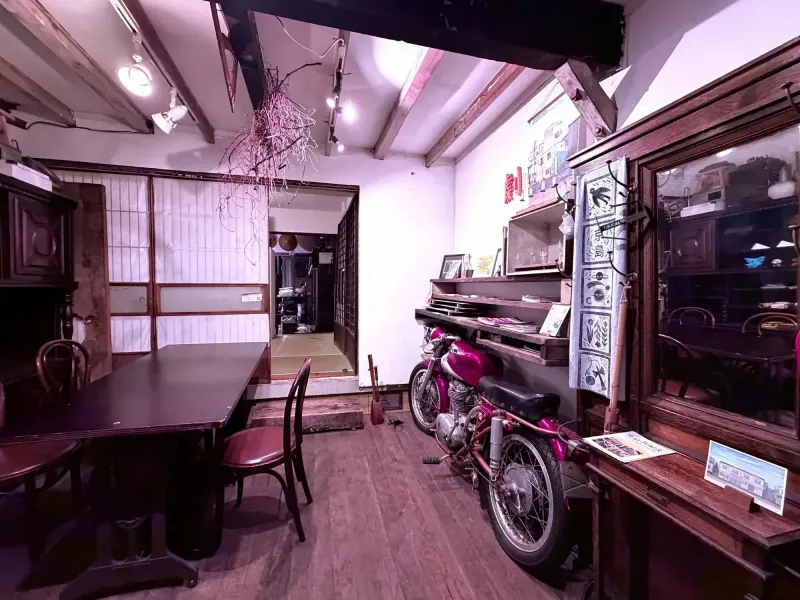
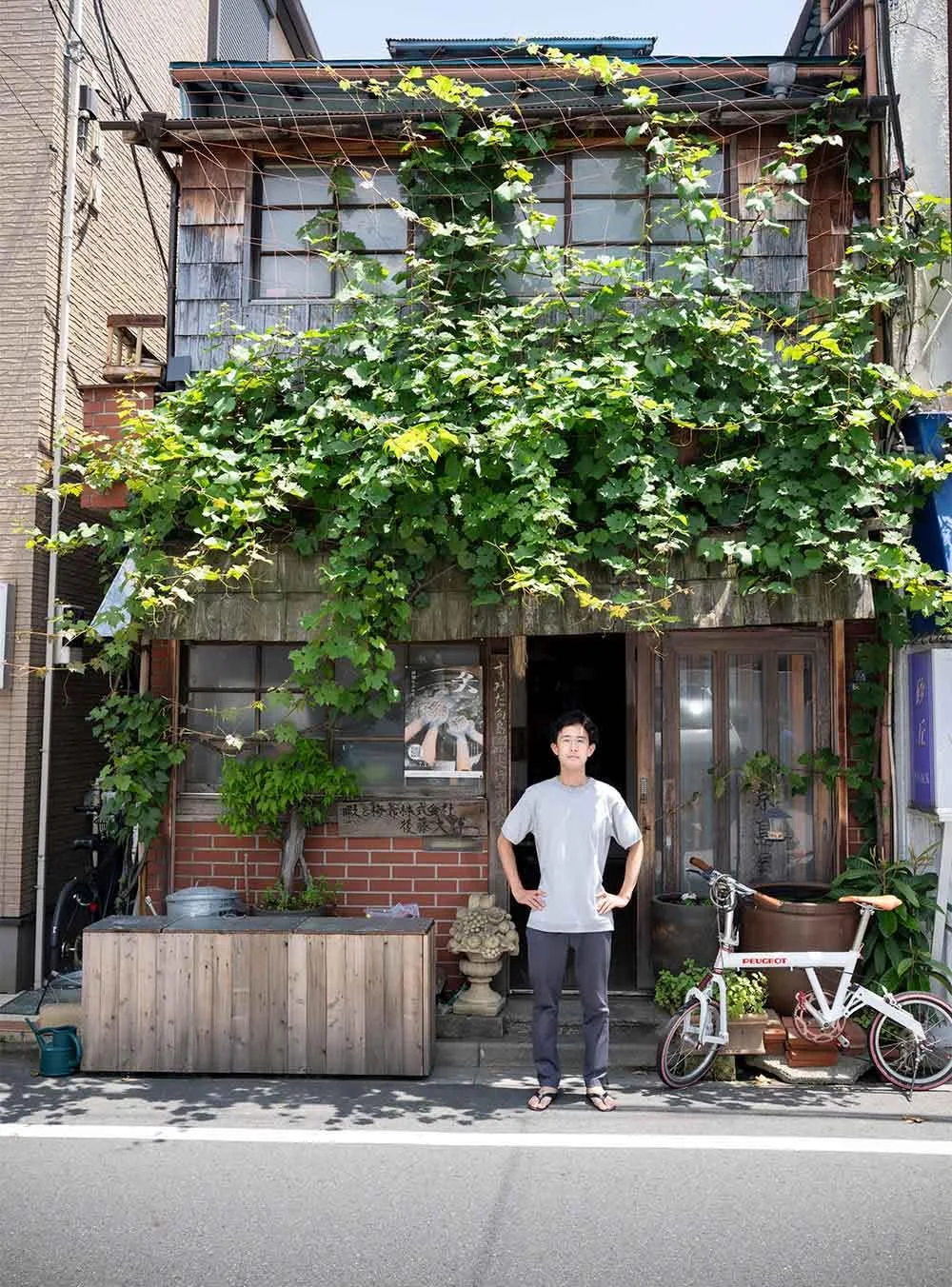
The first work in this practice, Kyojimaya Bairi, is a former nagaya—a traditional Japanese row house—built in 1926, which I own. I present the building itself, together with the time accumulated within this place, as an artwork. The people who have lived here, the words exchanged, everyday events, and the stories of those connected to this place also form part of the work.
I am offering this building for sale as an artwork. Rather than entrusting it to a single owner, however, I seek to share its ownership with several people who connect with this place and the possibilities of the work. I hope to reconsider ownership as an act of participating in a place’s future and continually exploring its value together.
How can we bring the value of the time a building has lived through, and the relationships people have nurtured, into an understanding of value measured by the price of land? How can memories and stories that are difficult to quantify be passed on and given a place in society? Through this work, I will explore these questions together with its co-owners.
The sale and shared ownership of Kyojimaya Bairi are both a means of sustaining the work and part of the work itself. What do we preserve, what do we change, and to whom do we pass it on? Through these choices and conversations, this place will continue to evolve as an artwork.
What kind of future do we take on together when we own a building as an artwork? Kyojimaya Bairi is the first realization of Ground Art, opening this question to society.
Coming Soon, I would appreciate your patience until the announcement. If you are interested, please enter your name and email address in the form.
Daiki Goto